
An Inside Look on How Asphalt Driveways are Installed
Asphalt driveways are a popular choice for homeowners due to their durability, aesthetic appeal, and cost-effectiveness. Understanding the installation process can provide peace of mind and appreciation for the work that goes into creating a smooth, long-lasting surface. Driveway paving not only boosts curb appeal but also adds practical value to your property, making it a worthwhile investment.
Preparing the Foundation
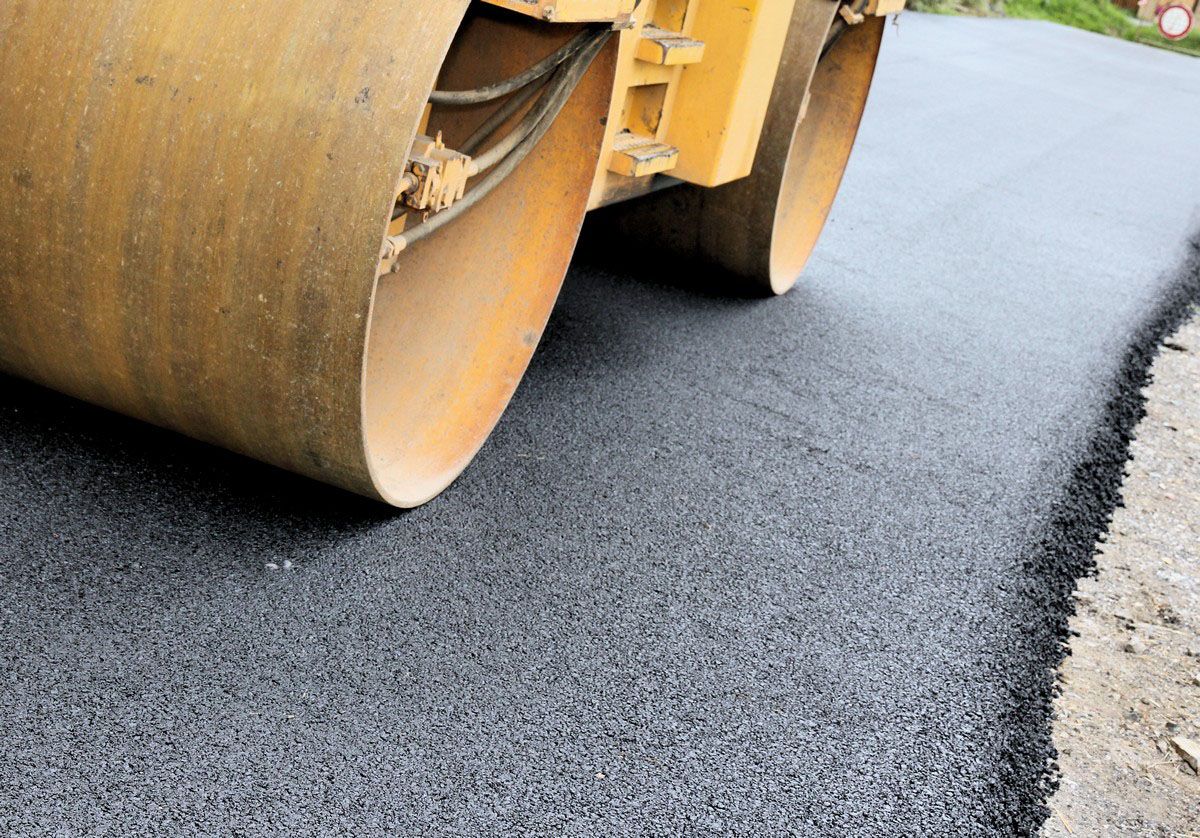
The installation process begins with preparing the ground, as a robust foundation ensures the driveway's longevity. The area is cleared of any grass, plants, and debris and is then excavated to a depth that accommodates the layers that will follow. According to The Spruce, a new driveway starts with a 4- to 8-inch layer of compacted granular fill for a solid, well-draining base. This gets topped with 2 to 3 inches of fresh, hot asphalt, which quickly gets compressed by a heavy rolling machine. This foundational step is vital; any weakness here could lead to cracks and other issues down the line, which is why professional driveway paving is so important.
Laying the Asphalt
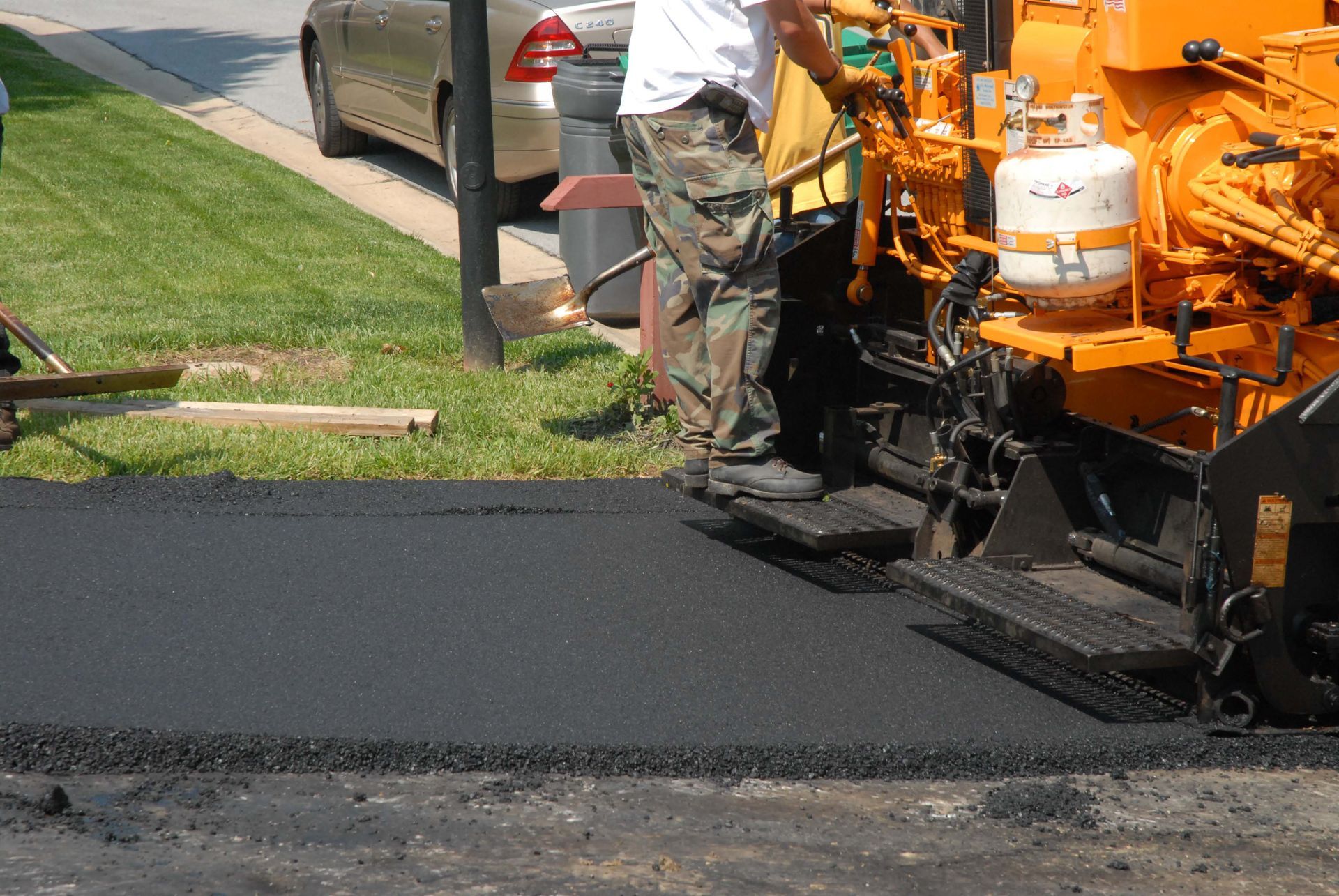
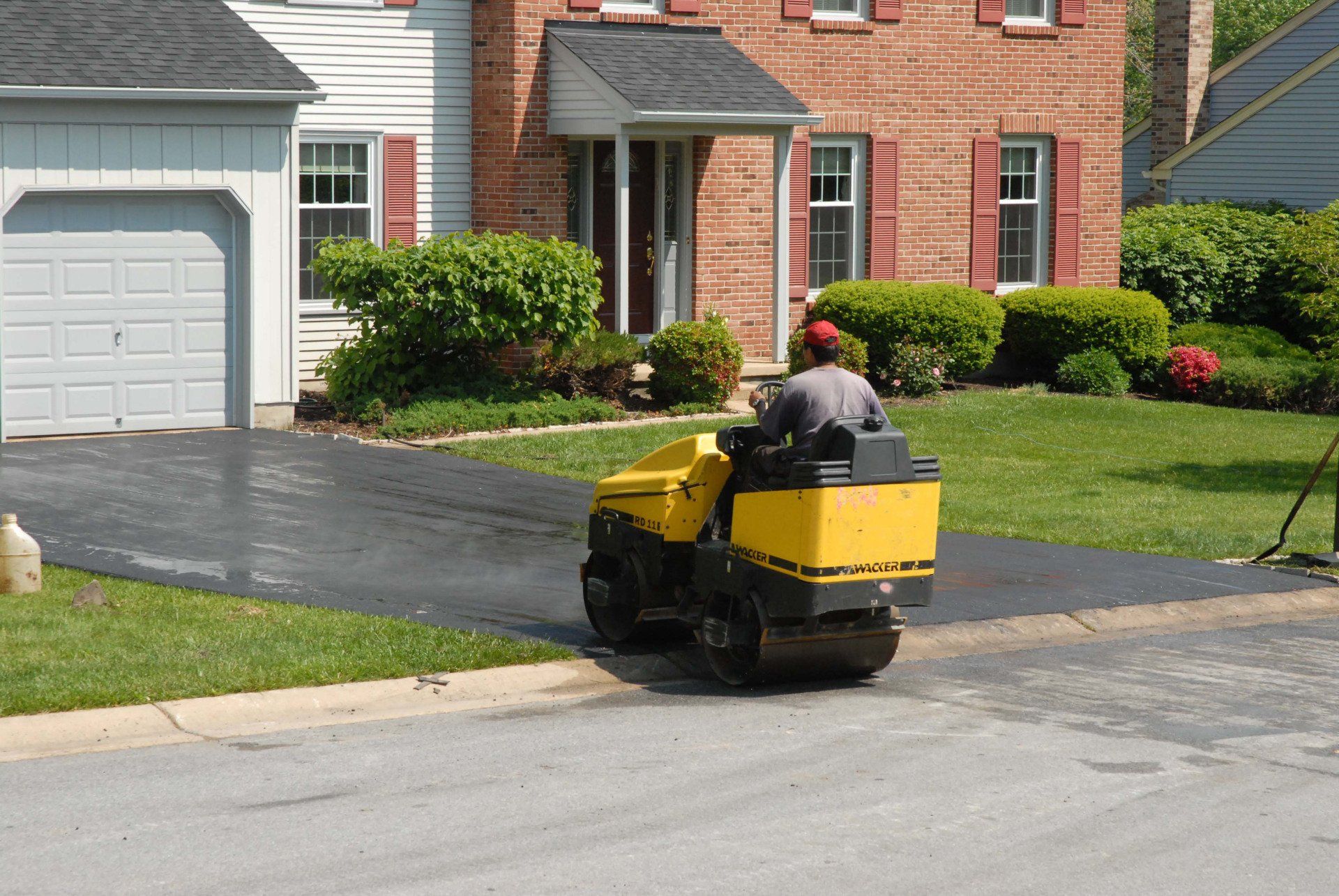
Once the solid base is ready, the next step is the application of the asphalt layer. Fresh, hot asphalt is laid over the compacted fill, uniformly distributed at a thickness of 2 to 3 inches. This is a critical stage in the process; the hot asphalt needs to be spread quickly to prevent cooling, which could cause uneven surfaces. The installation team then uses a heavy rolling machine to compress the asphalt, ensuring a perfectly smooth surface that is free from air pockets. High-quality driveway paving in this stage ensures a finished product that is both functional and attractive.
Finishing Touches and Curing
Attention to detail continues even after the asphalt is laid. It is essential to seal the edges of the driveway to prevent water infiltration, which can weaken the structure. Additionally, new driveways require time to cure completely. Homeowners are generally advised to avoid driving over the newly installed driveway for at least 24 to 48 hours to prevent any unwanted impressions or damage. Proper driveway paving practices during this stage guarantee the long-term success of the installation.
The installation of an asphalt driveway is a precise process that combines meticulous preparation and timely execution. It highlights the importance of a solid foundation and the timely application of materials to ensure durability and functionality. For those considering a new driveway, understanding these steps can help in appreciating the level of craftsmanship and expertise required, leading to a drive that enhances curb appeal and withstands the test of time. If you're ready to invest in reliable driveway paving, contact Royal Paving today for expert service you can trust.







Share On: